
Embarking on the journey of golf can initially seem daunting, with numerous techniques and terms to master. Many aspiring golfers find themselves struggling with fundamental elements, which often leads to frustration and a lack of consistent performance on the course. Fortunately, building a solid foundation from the outset can dramatically enhance your experience and accelerate your progress in this rewarding sport.
This introductory guide complements the “Beginner Golf Basics – Part 1” video above, offering a comprehensive look at the essential setup, grip, and initial body movements crucial for any beginner golfer. By understanding and implementing these core principles, you can develop a repeatable golf swing, gain confidence, and truly enjoy your time on the fairway. This foundational knowledge is designed to stand you in good stead throughout your entire golfing career.
Essential Equipment for Beginner Golf Basics
Before diving into the mechanics of the swing, it is prudent to ensure you have the correct equipment. While professional shops offer a wide array of clubs, beginners do not require a full set. A strategic selection of key clubs is more than sufficient to begin your practice and development.
Specifically, a 7-iron is an excellent starting point; alternatives such as a 6-iron or 8-iron also serve well. These clubs are versatile, offering a good balance between loft and distance, making them ideal for learning proper ball striking. Furthermore, a driver is an exciting club to incorporate early, allowing you to experience the thrill of hitting longer shots from the tee. For personalized recommendations, a visit to a local golf professional shop is highly advisable, as club specifications can differ significantly for senior, lady, or junior golfers.
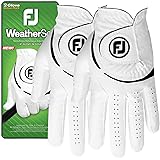
In addition to clubs, a golf glove for your lead hand (left hand for right-handed golfers) is often beneficial. This accessory provides enhanced grip and helps prevent blisters during practice sessions. Lastly, tee pegs are indispensable for practicing with your driver and even your irons, particularly when starting out, as they elevate the ball slightly, making consistent contact easier.
Understanding Your Golf Club: Key Components
To effectively communicate and apply instructional advice, familiarization with the different parts of a golf club is necessary. Each component plays a specific role in how the club interacts with the ball and your hands.
The top section, where your hands are placed, is known as the **grip**. This is your primary point of contact and control. Extending downwards from the grip is the **shaft**, a flexible rod that connects the grip to the club head. At the very end of the shaft is the **club head**, the part responsible for striking the golf ball. On the club head, the flat surface that directly makes contact with the ball is called the **club face**. Finally, the bottom-most edge of the club face is referred to as the **leading edge**, which is crucial for aiming and understanding ball contact.
Setting Up for Success: Basic Fundamentals
A consistent setup is a cornerstone of a consistent golf swing. Establishing correct alignment, foot placement, and ball position ensures that your body and the club are optimally prepared for motion. This initial phase sets the stage for all subsequent actions in your swing.
Aiming Your Club Correctly
The first step in setting up involves precise aiming. Visualize your target, perhaps the middle of a fairway. Position the club’s leading edge so that an imaginary 90-degree line extending directly from it points precisely at your target. This establishes your ‘target line,’ which dictates the direction your shot will travel. Initially, it is recommended to focus solely on the club’s alignment before adjusting your body.
Optimal Foot and Ball Position
Once the club is aimed, adjust your feet. Begin with your feet together, then step them apart so they are approximately shoulder-width. For many beginners, aligning your shoulders directly above your heels is a useful guide. Consequently, the golf ball should be positioned slightly forward of the center of your stance. This slight forward placement is a good starting point and can be refined as your swing style develops. Furthermore, subtly flaring both feet outwards, rather than keeping them pointing straight ahead, can facilitate a smoother body turn during the swing, particularly in its later stages.
Achieving Proper Body Alignment
With the club aimed and your feet and ball positioned, attention must turn to body alignment. Your feet, knees, hips, and shoulders should all be aligned parallel to your target line. Imagine a set of train tracks, where one track points to the target (the club’s leading edge) and the other (your body line) runs parallel to it. This parallel alignment prevents common errors where the body unconsciously aims differently from the club, leading to inaccurate shots. These simple checkpoints allow you to get the basics right before moving onto more intricate elements.
Mastering the Golf Grip: The All-Important “Hold”
The way you hold the golf club is arguably the most critical fundamental in golf. It serves as the sole connection between your body and the club, directly influencing clubface control, swing path, and ultimately, shot consistency. Even experienced golfers, playing for years, frequently revisit and refine their grip.
The Lead Hand Position (Left Hand for Right-Handers)
For right-handed golfers, the lead hand is the left hand. Begin by positioning the golf club diagonally across your left palm, running from just below the heel pad (the fleshy part at the base of your thumb) up to the base of your forefinger. This diagonal placement is vital for control and leverage. When closing your hand, ensure the back of your left hand faces the target, not your palm. This orientation prevents the clubface from becoming too open or closed. A ‘V’ shape formed by your thumb and forefinger should point upwards, roughly towards your right ear or slightly to the right of your chin.
The Trail Hand Position (Right Hand for Right-Handers)
The trail hand, your right hand, connects with the club in a complementary manner. With your palm facing the target, bring your right hand to the club. The club’s handle should run diagonally through the fingers of your right hand. Subsequently, close your hand, allowing your right thumb to rest gently on top of your left thumb. Similar to the lead hand, a ‘V’ shape formed by your right thumb and forefinger should also point towards your right ear. This synchronized ‘V’ alignment indicates a solid, unified grip.
Optimizing Grip Pressure: A “Hold,” Not a “Grip”
A common mistake among beginners is gripping the club too tightly, often referred to as ‘strangling’ the club. Excessive tension in the hands, arms, and shoulders restricts the natural movement of the wrists, which are crucial for generating power and controlling the clubface throughout the swing. Therefore, golf instructors advocate for a “hold” rather than a “grip.”
To assess appropriate pressure, hold the club out in front of you and gently move it around. If you can maintain control while allowing for free movement and flexibility in your wrists, your grip pressure is likely suitable. This allows for the freedom of movement necessary to achieve power and precision. If you find yourself tensing up, particularly after a poor shot, consciously relax your hands. Consistent practice with a relaxed hold will significantly improve your ability to deliver the clubface squarely to the ball and achieve greater shot consistency.
The Dynamic Body Motion: Understanding the Pivot
Beyond the stationary setup and grip, understanding the body’s role in the golf swing is paramount. The ‘pivot’ refers to the rotational movement of your torso, which generates power and transfers energy efficiently throughout the swing. Developing a correct pivot motion is essential for hitting the ball with consistency and distance.
The Core Pivot Drill
To practice the pivot motion effectively, you do not even need a golf club. Start by hugging yourself, placing your hands just below your rib cage, across your oblique muscles. Assume your basic golf stance. As you initiate the backswing (winding up), the lower body should remain stable, providing a strong base for the upper body’s rotation. This creates a powerful coil, akin to winding a spring.
Subsequently, as you begin the downswing, shift your weight towards the target before rotating through the shot. This sequence, often described as “wind up, push, then turn,” ensures optimal energy transfer. In the finished position, your weight should be predominantly on your lead leg, with the sole of your trail foot (right foot for right-handers) pointing behind you and your trail knee positioned over your lead knee. This visual cue confirms a complete and effective body rotation, avoiding common issues like swaying, which can detract from power and accuracy. Regular practice of this motion, even without a ball, builds crucial muscle memory and coordination.
Taking Your First Golf Swings: A Progressive Approach
With a solid understanding of the setup, grip, and body pivot, it’s time to translate these concepts into hitting actual golf shots. A progressive approach, starting with shorter swings, is recommended to build confidence and ensure consistent contact.
Starting with Short Swings on a Tee
Initially, place the golf ball on a tee, even when using an iron. This small elevation simplifies ball contact. Begin by executing a ‘mini swing’ – a controlled motion where your backswing and follow-through are deliberately shortened. The primary goal at this stage is to make solid contact with the ball, getting it off the tee and into the air. Focus on feeling the clubface strike the ball squarely. This reinforces good habits and reduces the complexity of a full swing.
Gradually Increasing Swing Length and Focusing on the Pivot
Once you consistently achieve solid contact with short swings, gradually lengthen your swing. Incorporate practice swings without hitting a ball, specifically focusing on the body pivot motion. Pay close attention to achieving the balanced finish position: weight on the lead leg, trail foot’s sole pointing back, and trail knee over lead knee. This practice helps integrate the body motion into the swing rhythm. When hitting shots, maintain your setup routine, take a practice swing, and commit to the full motion, holding your balance until the ball lands. If longer swings prove challenging, revert to shorter swings until confidence is re-established. Prioritizing correct movement over hitting shots will ultimately lead to greater improvement.
Teeing Up Your Beginner Golf Questions
What golf clubs do I need to start playing golf?
To begin, a 7-iron is highly recommended, though a 6-iron or 8-iron also works well for learning proper ball striking. You might also want to incorporate a driver for hitting longer shots from the tee.
What are the main parts of a golf club?
A golf club has a grip (where your hands go), a shaft (the rod connecting the parts), and a club head (the part that strikes the ball). The flat surface on the club head that directly contacts the ball is called the club face.
How should I properly hold a golf club?
Position your lead hand diagonally across your palm, ensuring the back of your hand faces the target. Then, connect your trail hand so the club runs diagonally through its fingers, with your trail thumb resting gently on top of your lead thumb.
How should I set up my body and feet before swinging the golf club?
Stand with your feet approximately shoulder-width apart, and place the golf ball slightly forward of the center of your stance. Ensure your feet, knees, hips, and shoulders are all aligned parallel to your target, like a set of train tracks.