
A staggering 80% of golfers indicate that a precise short game is crucial for lowering their scores, yet many struggle with advanced shot-making techniques like generating backspin. While the accompanying video with Golf Instructor Rickard Strömberg offers excellent foundational guidance on how to achieve backspin, this article will delve deeper into the nuances, offering expanded insights and practical strategies to truly master this essential skill. Developing a consistent backspin shot is not merely about looking impressive; it is about gaining unparalleled control over your ball, particularly when navigating challenging pin positions or firm greens.
Understanding the Mechanics of Golf Backspin
Backspin, or imparting a reverse rotation on the golf ball, is a phenomenon governed by fundamental physics, primarily friction and impact dynamics. When the clubface strikes the ball, particularly with a lofted club, the ball compresses against the grooves. As the club continues its forward motion and the ball leaves the face, the friction between the clubface and the ball generates spin. More specifically, the ball rolls up the clubface slightly, creating a “gear effect” that translates the upward motion of the clubface into a backward rotation of the ball relative to its flight path.
This rotational energy is critical. Imagine if a bowler threw a ball with topspin; it would dive into the pins. Conversely, a backspinning golf ball resists forward momentum upon landing, causing it to stop quickly or even roll backward, an effect highly coveted for precision control around the green. The video highlights several factors that directly influence the amount of backspin achievable; let us explore these in greater detail.
Critical Factors Influencing Backspin Generation
The ability to reliably impart backspin is a synthesis of various interconnected elements. Mastering each aspect will significantly improve your control and consistency.
-
The Lie of the Ball
As detailed in the video, a clean, optimal lie is paramount. Grass, especially when damp or thick, acts as an obstruction between the clubface and the ball. This barrier reduces the friction necessary for the clubface grooves to ‘grip’ the ball effectively. Consequently, less spin is transmitted. Consider a situation where the ball is nestled in thick rough; even with perfect technique, the lack of clean contact will severely diminish the backspin potential. Therefore, selecting the right lie, or adjusting your expectations based on an imperfect lie, is a vital strategic decision. Furthermore, sand also poses a unique challenge, requiring the clubhead to strike the ball before touching the sand to ensure maximum spin transmission.
-
The Golf Ball Itself
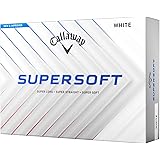
The type of golf ball significantly affects backspin. Softer-covered balls, often those designed for tour professionals, possess a urethane cover that is more compressible and ‘stickier.’ This allows the ball to penetrate deeper into the clubface grooves upon impact, thereby lengthening the contact time and maximizing the transfer of spin. Conversely, harder-covered balls, typically designed for distance, offer less friction and resilience, resulting in reduced backspin. For golfers prioritizing control, especially for backspin shots, opting for premium, multi-layer, soft-covered balls can make a noticeable difference in performance. This isn’t just a marketing ploy; it’s a measurable difference in the physics of impact.
-
External Conditions and Club Selection
Environmental factors play a non-negotiable role. A headwind, for instance, helps lift the backspinning ball and can actually enhance the effect of the spin upon landing. Soft greens absorb impact energy, allowing the backspin to grab the surface more effectively. Similarly, a green sloping towards the direction of the spin will exaggerate the stopping or backward movement. Regarding equipment, club loft is a dominant factor in generating golf backspin. A pitching wedge (typically 44-48 degrees of loft) or a sand wedge (typically 54-58 degrees) will impart significantly more spin than a 7-iron due to their steeper loft. The more lofted the club, the greater the angle of attack and the higher the potential for spin. Consequently, matching your club selection to the desired distance and backspin effect is a strategic imperative.
Mastering the Backspin Shot Setup and Swing
The physical mechanics of your setup and swing are where intention translates into action. Precision in these areas is non-negotiable for consistent backspin.
The Art of the Setup for Backspin
The video correctly emphasizes specific setup adjustments to facilitate a steep angle of attack and an open clubface, both crucial for generating golf backspin:
-
Opening the Clubface
Placing the clubface slightly open to the target at address is not merely a stylistic choice; it serves a crucial functional purpose. It creates more effective loft at impact, allowing the ball to ride up the face longer and enhancing the interaction between the ball and the grooves. This seemingly minor adjustment significantly increases the spin potential.
-
Open Stance and Weight Distribution
An open stance, where your body alignment is slightly left of the target (for right-handed golfers), helps promote an outside-to-in swing path, which is conducive to a steeper angle of descent. Concurrently, distributing 60 to 70% of your weight on your lead (left) foot ensures that your swing bottom is well ahead of the ball. This weight distribution, combined with the ball positioned ideally in the middle of your stance, forces a downward strike on the ball, creating the necessary compression and friction for maximum backspin. Imagine trying to slice bread with a flat knife versus a serrated one; the angle and ‘grip’ are paramount.
Executing the Backspin Swing
The swing for backspin is distinct, prioritizing a steep angle of attack and maintaining an open clubface through impact.
-
The Steep Angle of Attack
The setup facilitates a steep downward strike on the ball. This steepness ensures that the leading edge of the club comes into contact with the top portion of the ball first, compressing it against the clubface and initiating the spin. Without this steep angle, the strike would be too shallow, reducing the effectiveness of the grooves and minimizing backspin.
-
Maintaining an Open Clubface Through Impact
As you swing down and through, your body rotation is key, but critically, your hands must work to keep the clubface open. This action, often referred to as “holding the face open,” is what prevents the leading edge from digging into the ground. Instead, the open clubface allows the club to ‘bounce’ or ‘slide’ under the ball, providing a clean, powerful strike that maximizes spin. This subtle manipulation of the clubface through impact is a hallmark of skilled players capable of consistently producing a high level of golf backspin.
-
Minimal Wrist Action in the Backswing
While some wrist hinge is natural in the golf swing, the emphasis for a backspin shot is on a connected, rotational body swing with minimal excessive wrist action in the backswing. The steepness of the swing is primarily generated by the setup and body rotation, rather than an overly aggressive wrist hinge. This promotes control and consistency over brute force.
Refining Your Golf Backspin Technique: Drills and Practice
Theory is only as good as its application. Consistent practice, particularly with targeted drills, is essential for internalizing the backspin technique.
-
The Bunker Drill: A Spin-Generating Powerhouse
The video recommends practicing from a bunker, specifically at a distance of 40 to 60 yards from the hole. This is an exceptionally effective drill for several reasons. Firstly, the soft sand demands precise contact—striking the ball before the sand—mirroring the clean contact required from a tight lie on the fairway. This exaggerated feedback helps you differentiate between a ‘fat’ shot (hitting sand first) and a ‘thin’ shot (hitting the ball too high on the face) versus the desired crisp, ball-first contact. Secondly, practicing these shorter, high-lofted shots instills the confidence and muscle memory needed for the steep angle of attack and open clubface essential for golf backspin. Consistently hitting the ball cleanly off the sand, without digging, will translate directly to better contact on grass.
-
Target Practice with Feedback
Once you are comfortable with the feel of the backspin swing, take it to the practice green. Place a towel or a small target directly behind the pin, perhaps 5-10 feet back. Your goal is not just to hit the pin, but to land the ball short of the pin and have it spin back towards it, ideally stopping before or at the towel. This drill provides immediate feedback on the amount of backspin you are generating and helps you calibrate your swing intensity and club choice for varying distances.
-
Groove Maintenance: An Unsung Hero
Often overlooked, the condition of your club’s grooves significantly impacts spin generation. Worn-out grooves cannot effectively channel debris or grip the ball. Regularly cleaning your clubfaces and checking for groove wear is crucial. Sharp, clean grooves provide the maximum friction necessary for high levels of backspin. Investing in a groove sharpener or replacing wedges when their grooves become noticeably dull can be a game-changer for your short game.
Ultimately, the ability to consistently get backspin is a testament to a golfer’s control and understanding of their equipment and swing. By integrating the insights from the video and the expanded details provided here, you will be well-equipped to practice and execute this advanced golf backspin technique with greater proficiency.
The Backspin Clinic: Your Questions Answered
What is golf backspin and why is it useful?
Backspin makes the golf ball rotate backward as it flies. This helps the ball stop quickly on the green or even roll backward, giving you more control over where it lands.
What kind of golf ball should I use to get more backspin?
Softer-covered golf balls, typically with a urethane cover, are best for generating backspin. They allow the ball to grip the clubface better, transferring more spin.
What type of golf clubs help create more backspin?
Clubs with higher loft, like pitching wedges (44-48 degrees) or sand wedges (54-58 degrees), are most effective for backspin. Their steep angle helps impart more rotation on the ball.
What is one key setup adjustment for hitting a backspin shot?
A key setup adjustment is to place the clubface slightly open to your target and distribute 60-70% of your weight on your lead foot. This promotes a steep, downward strike for maximum spin.