
Statistically, golf is a sport that can be enjoyed well into one’s later years, with participation data showing a significant portion of golfers are over 50. However, for those just picking up a club, the initial experience can be daunting. As eloquently shared in the accompanying video by Thomas Howell, a GolfTec certified personal coach with 17 years of experience and tens of thousands of lessons under his belt, the journey into golf is often initiated by friends, family, or even professional aspirations. This guide aims to expand upon the invaluable insights provided in the video, offering a more detailed roadmap for navigating the initial steps of this rewarding, yet challenging, sport. It is understood that a truly fulfilling golf experience often begins with a solid foundation, which includes much more than simply swinging a club.
Embracing the Journey: Patience and a Sense of Humor
While many sports reward immediate athletic prowess, golf is frequently characterized by its steep learning curve. The video’s opening sentiment regarding patience and a sense of humor is not merely a suggestion; it is truly a prerequisite for enjoyment. It is often said that golf is a game played primarily in the mind, and this is especially true for beginners. The complexities involved, from biomechanics to the physics of ball flight and the geometry of the course, mean that proficiency is not typically achieved overnight. Think of learning golf less as a sprint and more as a marathon; each swing is a small step, and progress is usually incremental. A common analogy used is that of sculpting a masterpiece: it requires numerous small adjustments and a great deal of time, rather than a single grand stroke. This understanding helps in managing expectations and preventing frustration from eclipsing the inherent joy of the game.
Furthermore, the humor aspect is crucial. There will undoubtedly be shots that go awry, balls that find water, and putts that stubbornly refuse to drop. When these moments occur, a lighthearted perspective prevents discouragement. It is often noticed that golfers who can laugh at their own mistakes tend to improve faster, as less mental energy is consumed by self-criticism. In essence, the game of golf is frequently viewed as a lifelong pursuit where mastery is a perpetual horizon, making the enjoyment of the process paramount.
Understanding Golf Etiquette: The Unwritten Rules of the Course
Unlike many other sports where rules are solely focused on competition, golf places immense importance on etiquette, which governs the conduct of players on the course. As highlighted in the video, acquiring a USGA rulebook and reviewing its etiquette section is a highly recommended starting point. These unofficial rules are designed to ensure respect among players, maintain pace of play, and preserve the course itself. For instance, it is considered improper to talk or move when another player is about to hit, much like it would be distracting to shout during a tennis serve. Similarly, standing in a player’s line of putt – the imaginary line from their ball to the hole – is a significant breach of etiquette, as it can potentially alter the delicate surface of the green. Such considerations are routinely expected of all players.
Here are some fundamental etiquette guidelines that are often observed:
- **Maintain Pace of Play:** Be ready to hit when it is your turn, and avoid excessive searching for lost balls. It is generally accepted that keeping up with the group in front is more important than achieving a perfect score.
- **Care for the Course:** Divots created during swings should be replaced, and ball marks on greens ought to be repaired. Bunkers are expected to be raked after use, ensuring a fair lie for subsequent players.
- **Show Respect for Other Players:** Avoid casting shadows over a player’s line of putt. Never walk in front of someone who is preparing to hit. Keep noise to a minimum, particularly around greens and tee boxes.
- **Safety First:** Always ensure that no one is in a position to be hit by a club or ball before swinging. A shout of “Fore!” is traditionally given if there is a risk of hitting another person with an errant shot.
Adherence to these practices not only makes for a more pleasant experience for everyone but is also a reflection of the integrity and respect that are foundational to the spirit of golf. It is often believed that a well-mannered golfer contributes significantly to the overall atmosphere of the game.
Essential Gear for Beginner Golfers: More Than Just Sticks
The selection of golf equipment can appear overwhelming to new players, but the video provides excellent guidance on prioritizing essential items. It is frequently advised that a custom fitting for clubs, as offered by professionals like those at GolfTec’s 146 improvement centers, is a worthwhile investment. This personalized approach ensures that clubs are matched to an individual’s unique physique and swing characteristics, preventing the development of bad habits that often result from using ill-fitting hand-me-down clubs. Imagine trying to learn to play a musical instrument that is significantly too large or too small for you; the struggle would be immense, and proper technique would be almost impossible to develop.
Choosing the Right Clubs
While a full set of 14 clubs is the maximum allowed, beginners do not necessarily require this extensive arsenal. A foundational set might include:
- **Irons:** Instead of a full set, odd-numbered irons (7, 9) and a pitching wedge are often recommended. These provide a good range for different distances and situations.
- **Putter:** As emphasized in the video, a good putter is a solid investment. Thomas Howell himself has played with the same putter for 10 years, highlighting their longevity. It is often the most used club in the bag, making a comfortable and well-fitted putter invaluable.
- **Wedges:** While “game improvement” wedges are designed for forgiveness, the video sagely advises obtaining at least one solid, non-game-improvement wedge. This allows for a better feel for impact and facilitates skill development around the green, where finesse is often rewarded over raw power.
- **Driver/Fairway Wood/Hybrid:** A club for teeing off is essential. A driver offers maximum distance, but a fairway wood or hybrid might be more controllable for initial shots. These clubs are designed to get the ball into the air efficiently from the tee or fairway.
It is important that club length, shaft flex, grip size, and lie angle are all considered during a fitting. These factors profoundly impact how a club interacts with the player and the ball, influencing everything from accuracy to consistency. Therefore, a professional assessment is often considered indispensable for optimal performance.
The Importance of Golf Shoes
Often overlooked, golf shoes are a critical piece of equipment that should not be skimped on. The video explicitly stresses the significance of comfortable and well-fitting footwear. On the golf course, players are on their feet for extended periods, frequently walking several miles over varying terrain. Imagine undertaking a long hike in ill-fitting shoes; discomfort would quickly ensue, distracting from the activity itself. Golf shoes, like those from FootJoy, Ecco, Callaway, or Adidas mentioned by the instructor, are designed to provide stability during the golf swing, gripping the ground to prevent slipping and allowing for a powerful, balanced rotation. A comfortable pair not only enhances performance but also allows for full enjoyment of the game without the distraction of aching feet.
Golf Gloves: A Grip on Success
A golf glove, typically worn on the non-dominant hand (left hand for right-handed golfers), is strongly encouraged. The video correctly points out that a tight, snug fit is paramount. A glove that is too loose can cause the club to slip, leading to poor control and inconsistent shots. It is often observed that a glove acts as a second skin, providing enhanced grip, particularly in warm or humid conditions where hands might become sweaty. Some gloves also incorporate elastic or spandex in the knuckles, which contributes to increased durability and breathability. This added layer of friction and comfort allows for a more secure connection between the golfer and the club, a factor frequently attributed to improved shot-making.
Accessories: Small Details, Big Impact
Beyond the core equipment, several accessories contribute to a more enjoyable and prepared golf outing:
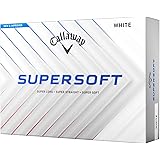
- **Golf Balls:** For beginners, it is wise to avoid expensive, high-performance balls. As the video humorously advises, “You’re gonna lose some balls. Just face it.” Bulk packs of standard, more forgiving golf balls are a sensible choice.
- **Tees:** These small pegs are used to elevate the ball for the first shot on each hole (the tee shot). A jumbo pack ensures a ready supply.
- **Ball Markers:** A small coin or a specialized marker is used to mark the position of a ball on the green when it needs to be lifted (e.g., to clean it or to avoid interfering with another player’s putt).
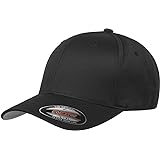
- **Caps, Visors, and Sunscreen:** Golf is an outdoor sport, meaning sun protection is vital. A cap or visor shields the face, and sunscreen protects exposed skin from harmful UV rays. This is a health consideration that is frequently prioritized by experienced golfers.
Dressing for Success: Golf Attire and Course Dress Codes
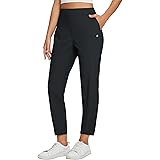
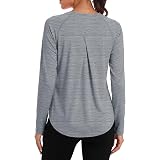
The social aspect of golf is frequently celebrated, and a part of this tradition involves appropriate attire. As noted in the video, most golf courses, particularly private clubs or higher-end public courses, enforce specific dress codes. For men, this typically means a collared shirt, tucked in, often accompanied by slacks or khaki shorts and a belt. Jeans are generally discouraged, if not outright prohibited, on many courses. For women, appropriate attire often includes golf shirts, skirts, shorts, or slacks designed for golf. It is always prudent to contact the specific golf course beforehand to inquire about their dress code requirements. This simple step ensures that one is not turned away or made to feel uncomfortable upon arrival. Moreover, when selecting golf clothing, comfort and freedom of movement are crucial. Shirts made of lightweight, moisture-wicking, or stretchy materials allow for an unhindered swing, which is a significant factor in maintaining proper form.
Beyond the Gear: Cultivating a Beginner’s Mindset
While equipment and etiquette are foundational, the development of a positive mindset is often considered the bedrock of long-term enjoyment in golf. The game’s inherent difficulty means that bad shots are inevitable, even for seasoned professionals. A beginner’s approach should be characterized by an acceptance of these challenges and a focus on learning from each experience. It is frequently observed that undue pressure to perform perfectly can quickly erode the fun, turning a leisurely activity into a source of stress. Instead, a focus on small victories—a well-struck iron, a chipped shot close to the pin, or a successfully navigated hole—can provide the encouragement needed to persevere. Ultimately, golf is a journey of continuous learning and adaptation, where patience and a good sense of humor are the most valuable tools in any golfer’s bag.
Teeing Up Your Questions
What is the most important mindset for a beginner golfer?
The article emphasizes that patience and a sense of humor are crucial. Golf has a steep learning curve, so it’s important not to get frustrated by mistakes and to enjoy the process of learning.
What is golf etiquette and why is it important?
Golf etiquette refers to the unwritten rules of conduct on the course, which are designed to ensure respect among players, maintain the pace of play, and preserve the course. Following these rules makes the experience more pleasant for everyone.
Do I need a full set of golf clubs when I’m just starting out?
No, beginners don’t need a full set of 14 clubs. A foundational set often includes a few irons (like a 7, 9, and pitching wedge), a putter, and a driver or fairway wood for teeing off.
Are golf shoes really necessary for beginners?
Yes, golf shoes are a critical piece of equipment because they provide stability during your swing and grip the ground, preventing slips. They also ensure comfort during long walks on the course.
What kind of clothing should I wear to play golf?
Most golf courses have specific dress codes, typically requiring collared shirts for men and appropriate golf shirts, skirts, shorts, or slacks for women. It’s a good idea to check with the specific course about their requirements.